Archives
- 2026-09
- 2026-08
- 2026-07
- 2026-06
- 2026-05
- 2026-04
- 2026-03
- 2026-02
- 2026-01
- 2025-12
- 2025-11
- 2025-10
- 2025-09
- 2025-03
- 2025-02
- 2025-01
- 2024-12
- 2024-11
- 2024-10
- 2024-09
- 2024-08
- 2024-07
- 2024-06
- 2024-05
- 2024-04
- 2024-03
- 2024-02
- 2024-01
- 2023-12
- 2023-11
- 2023-10
- 2023-09
- 2023-08
- 2023-07
- 2023-06
- 2023-05
- 2023-04
- 2023-03
- 2023-02
- 2023-01
- 2022-12
- 2022-11
- 2022-10
- 2022-09
- 2022-08
- 2022-07
- 2022-06
- 2022-05
- 2022-04
- 2022-03
- 2022-02
- 2022-01
-
br Adiponectin in prostate cancer PC
2024-06-19

Adiponectin in prostate cancer PC was documented as the leading type of malignancy in males in the US with respect to both the estimated number of cases (22,800) and deaths (27,540) (Siegel et al., 2016). Studies have reported an association between low APN levels and the progression of PC (Micha
-
It could be hypothesized that the adiponectin system is
2024-06-19
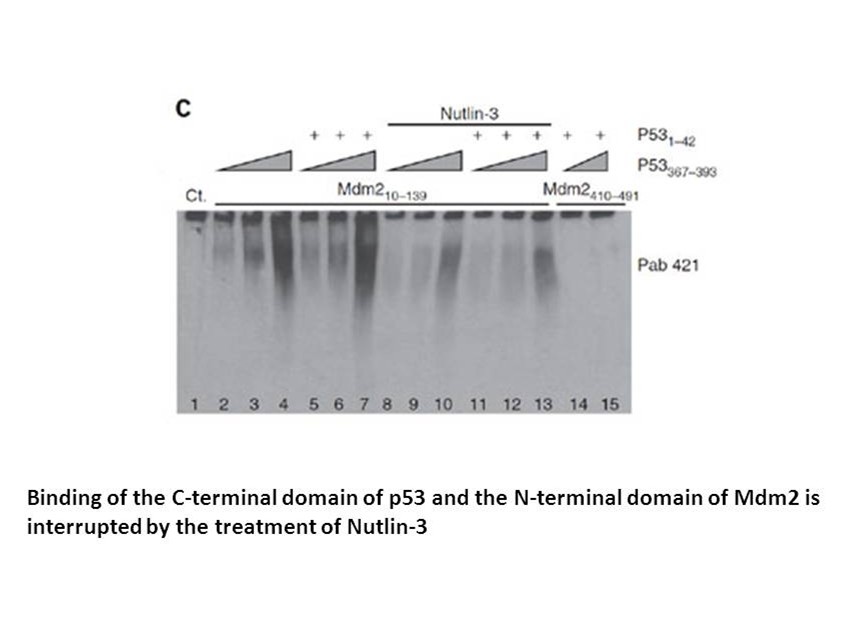
It could be hypothesized that the adiponectin system is regulated by gonadal steroid hormones. The lowest concentrations of adiponectin, AdipoR1 and AdipoR2 proteins in the endometrium and myometrium during the mid-luteal and late-luteal phases suggest that progesterone suppresses the expression of
-
PD 123319 ditrifluoroacetate Further analysis sought to unde
2024-06-18
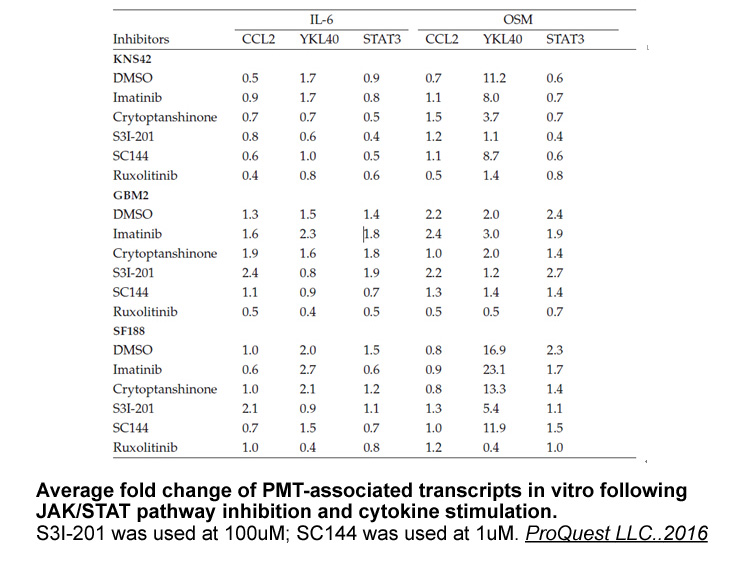
Further analysis sought to understand the mechanism associated with the autotaxin-mediated increase of miR-489-3p in circulation. Based upon sequence complementarity, DIANA TarBase predicted miR-489-3p targets MAPK2K1, or MEK1, an oncogene widely dysregulated in cancer (Fig. 4A). To test this relati
-
Chromatin proteins play important roles in gene expression
2024-06-18
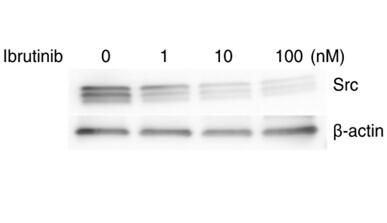
Chromatin proteins play important roles in gene expression and DNA repair. The importance of chromatin composition on gene expression is exemplified by X-inactivation, where one of the two X chromosomes in female mammalian Cytochalasin J is transcriptionally silenced by heterochromatin , , , . In t
-
Based on the extracellular domain structures we can infer th
2024-06-18
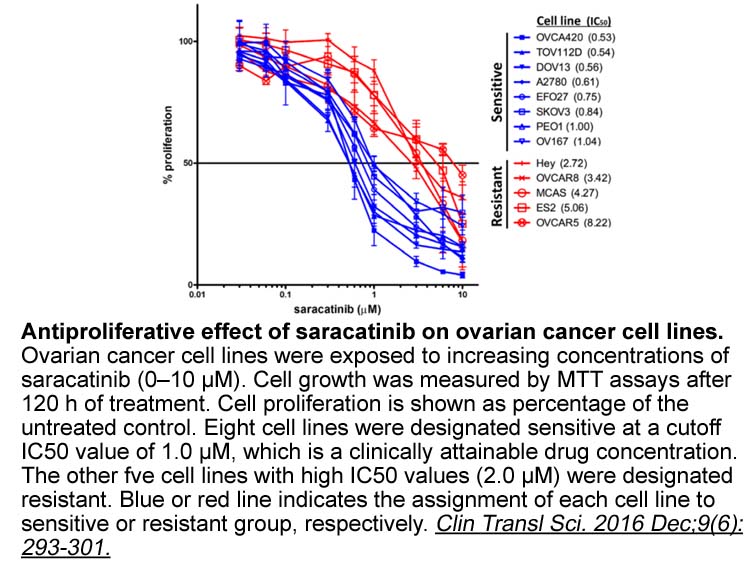
Based on the extracellular domain structures, we can infer that the dimer arrangement of GABAB receptor will undergo substantial changes upon receptor activation (Geng et al., 2013). First, agonist-stimulated closure of GABAB1 VFT would cause an upward rotation of its LB2 domain, coupled with an inw
-
br Androgen interference with the
2024-06-18

Androgen interference with the action of arachidonic SNS-314 Mesylate metabolites’ actions; the other side of the coin Arachidonic acid, being a polyunsaturated fatty acid present in the phospholipids of the membrane of cells, is highly abundant within the organism. It is mainly involved in cell
-
br Conclusions br Transparency document br Acknowledgements
2024-06-18
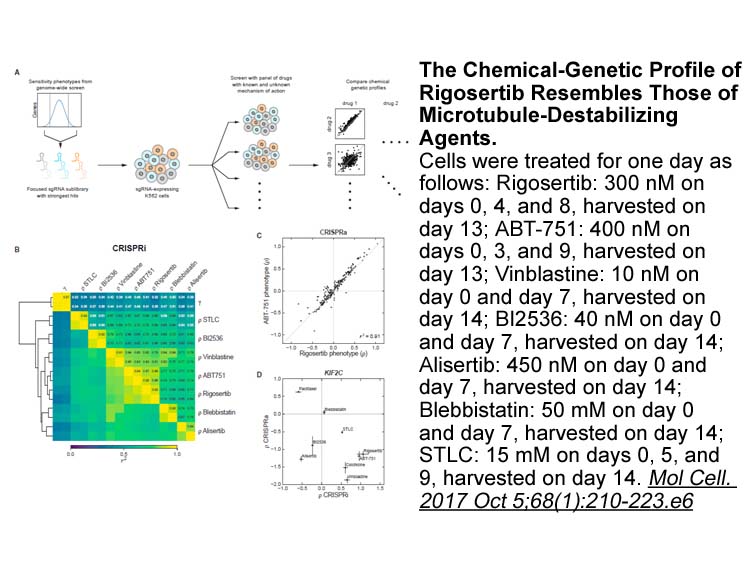
Conclusions Transparency document Acknowledgements This work was supported by a grant from the European Commission FP6 “Neuroprion” – Network of Excellence and Royal Veterinary College Bioveterinary science research project funding. We thank Professor Alun Williams (Cambridge University) fo
-
Based on their different sources the APN inhibitors
2024-06-18
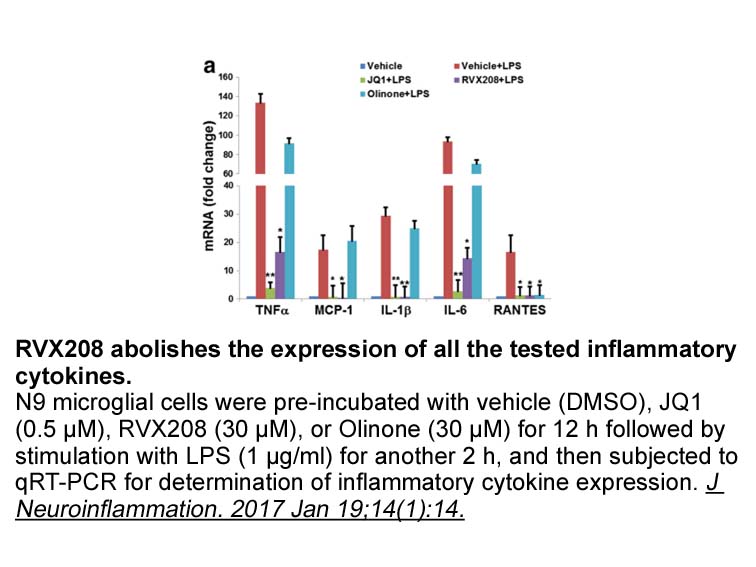
Based on their different sources, the APN inhibitors (APNIs) can be divided into the natural products and synthetic compounds. Bestatin (1, Fig. 1), isolated from the Streptomyces oliuoreticuli by Umezawa et al., is the first reported and only marketed natural dipeptidomimetic inhibitor of APN. Afte
-
br The lipoxygenase pathway in the pancreatic islet and in
2024-06-18
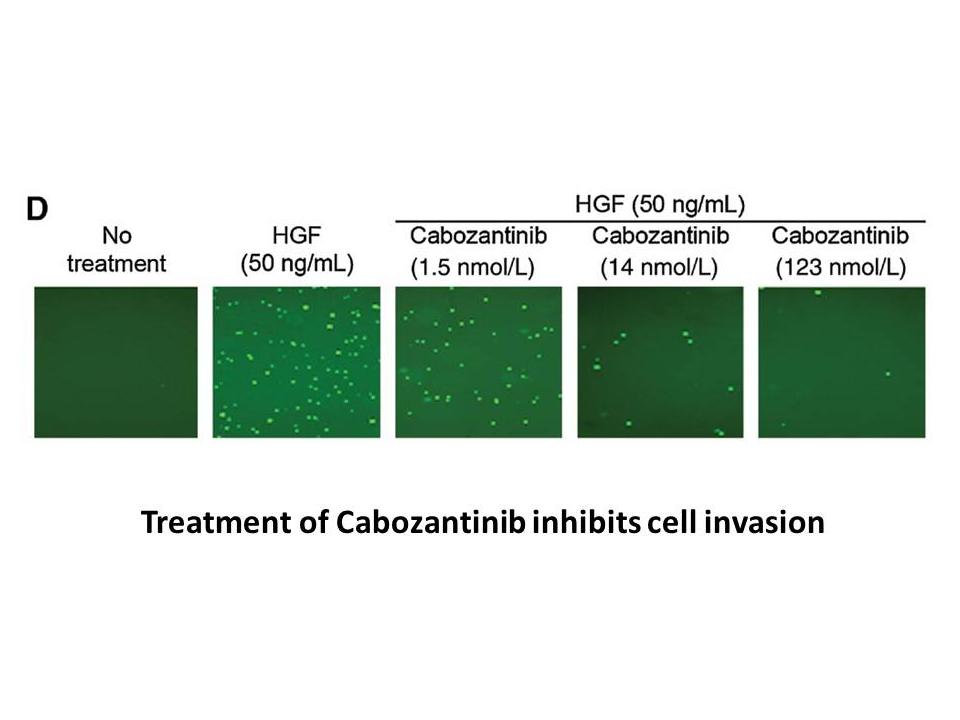
The 12/15-lipoxygenase pathway in the pancreatic islet and in diabetes mellitus Homeostasis of blood glucose is maintained by hormone secretion from the pancreatic islets of Langerhans. More specifically, insulin produced by the β Dyngo-4a of the islet plays a major role in proper maintenance of
-
The role of the adaptive immune response in AD
2024-06-18
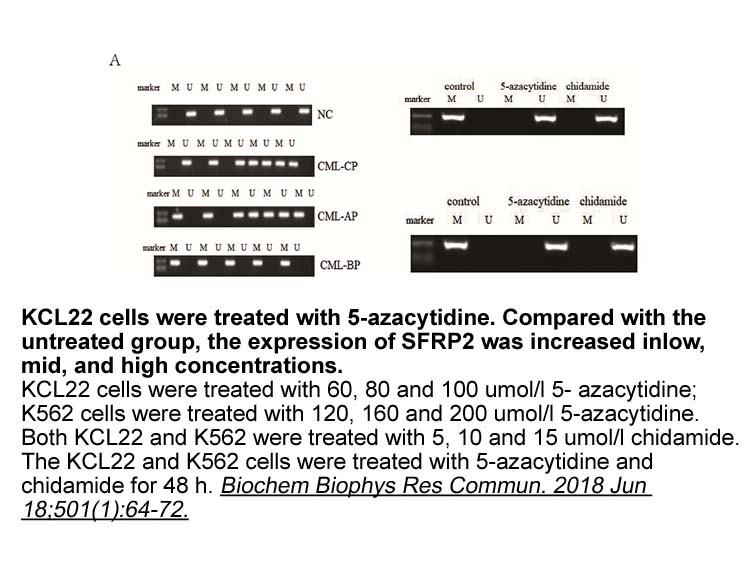
The role of the adaptive immune response in AD is not fully understood and previous studies are controversial. In this context, serum levels of T and B lymphocytes were found to be reduced in AD patients, suggesting a decline of the immune response during the course of the disease (Richartz-Salzburg
-
First investigation of numerous membered ether linked macroc
2024-06-18

First, investigation of numerous 12-14-membered ether-linked macrocycles revealed that smaller motifs were most lipophilic efficient. Compound (3) (12-membered macrocycle) exhibited good cellular potencies (ALK IC50 = 1.0 nM; ALK-L1196 M IC50 = 20 nM) and the highest LipE (4.4) with picomolar bindin
-
A 779 australia Cells have developed strategies aiming to en
2024-06-18
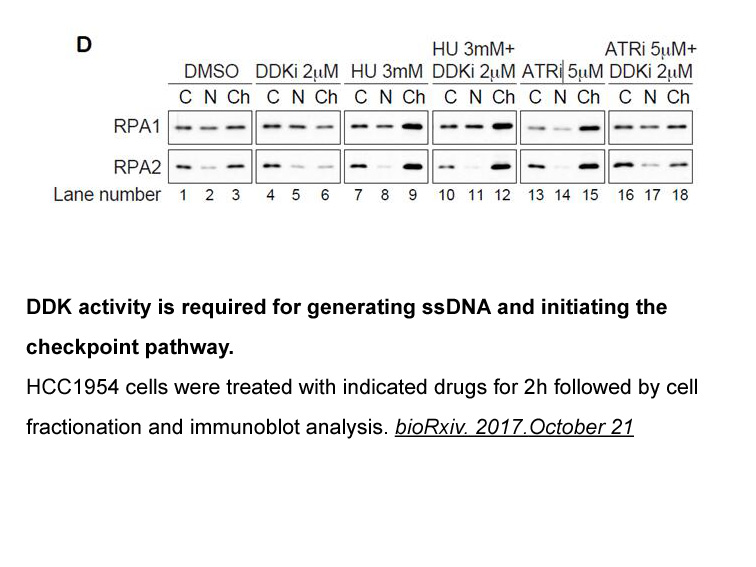
Cells have developed strategies aiming to enhance both the efficiency of proteins with chaperone activity as well as their overall antioxidant capacity to maintain proteostasis under oxidative stress conditions (Miyata et al., 2012). For instance, 2-Cys peroxiredoxin is an abundantly expressed, anti
-
Aberrant or a sustained activation of AhR signaling pathway
2024-06-18
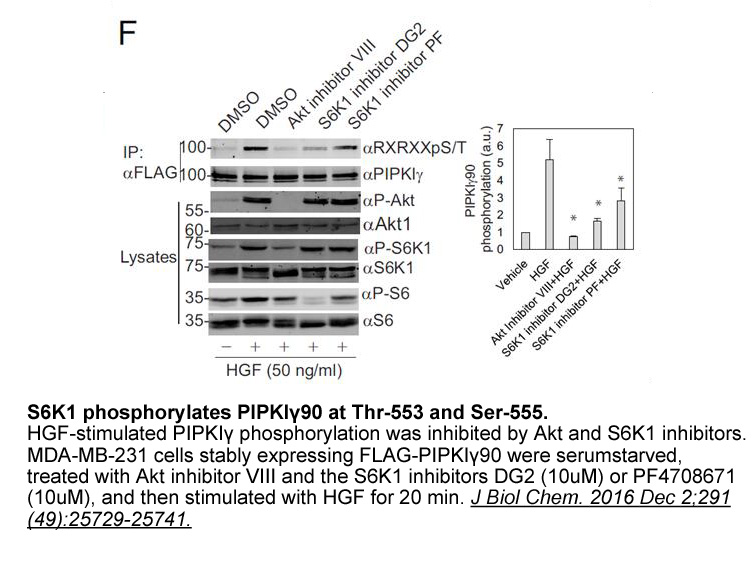
Aberrant or a sustained activation of AhR signaling pathway, triggered by exogenous toxic ligands such as dioxins, PAHs or polychlorinated biphenyls (PCBs), is a well-described biological process engaged during tumor initiation and/or promotion in various tissues (e.g. liver, lung, skin)(reviewed in
-
br Acknowledgement This work was
2024-06-17
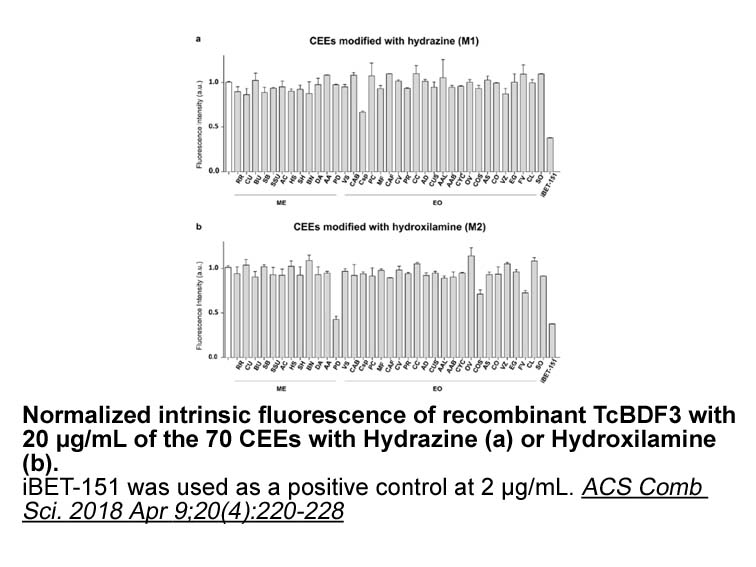
Acknowledgement This work was supported by grants from the American Heart Association Scientist Development Grant (SDG) to A. Elmarakby and 1R01EY023315-01 award to M. Al-Shabrawey. Introduction Inflammatory response is the result of a complex interaction between immune 265 3 receptor and sev
-
br ACK signaling partners ACK interacts with and tyrosine
2024-06-17
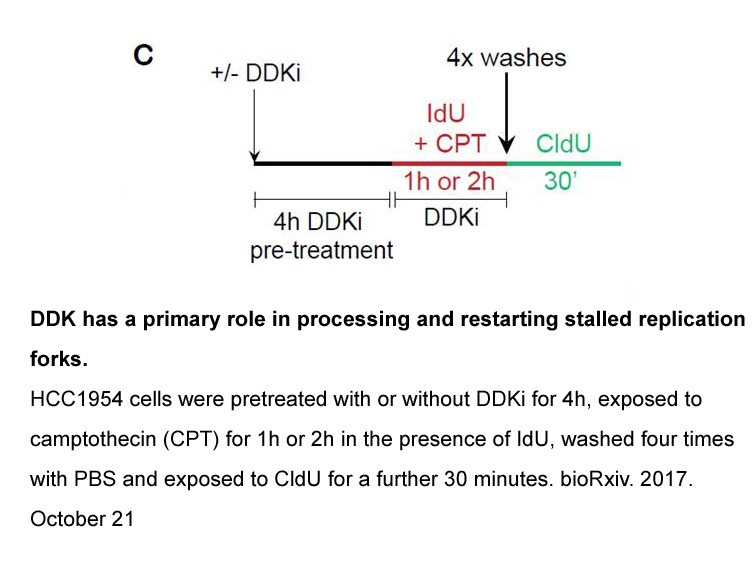
ACK1 signaling partners ACK1 interacts with and tyrosine phosphorylates many cellular proteins regulating critical cellular processes [11]. While ACK1 shares common intracellular effectors such as AKT with other signaling pathways, it imparts specificity to signaling by phosphorylating effectors
8119 records 166/542 page Previous Next First page 上5页 166167168169170 下5页 Last page