Archives
- 2026-08
- 2026-07
- 2026-06
- 2026-05
- 2026-04
- 2026-03
- 2026-02
- 2026-01
- 2025-12
- 2025-11
- 2025-10
- 2025-09
- 2025-03
- 2025-02
- 2025-01
- 2024-12
- 2024-11
- 2024-10
- 2024-09
- 2024-08
- 2024-07
- 2024-06
- 2024-05
- 2024-04
- 2024-03
- 2024-02
- 2024-01
- 2023-12
- 2023-11
- 2023-10
- 2023-09
- 2023-08
- 2023-07
- 2023-06
- 2023-05
- 2023-04
- 2023-03
- 2023-02
- 2023-01
- 2022-12
- 2022-11
- 2022-10
- 2022-09
- 2022-08
- 2022-07
- 2022-06
- 2022-05
- 2022-04
- 2022-03
- 2022-02
- 2022-01
- 2021-12
- 2021-11
- 2021-10
- 2021-09
- 2021-08
- 2021-07
- 2021-06
- 2021-05
- 2021-04
- 2021-03
- 2021-02
- 2021-01
- 2020-12
- 2020-11
- 2020-10
- 2020-09
- 2020-08
- 2020-07
- 2020-06
- 2020-05
- 2020-04
- 2020-03
- 2020-02
- 2020-01
- 2019-12
- 2019-11
- 2019-10
- 2019-09
- 2019-08
- 2019-07
- 2019-06
- 2019-05
- 2019-04
- 2018-11
- 2018-10
- 2018-07
-
It is well known that the
2022-01-15
It is well known that the expression of GPR109A is regulated under physiological and pathological conditions. We previously found that GPR109A expression in islet beta-cells increased with age and was up-regulated by interferon-γ (Li et al., 2011). GPR109A levels in Min6 and INS-1E islet beta-cells
-
Then the seven complexes GLOI indomethacin GLOI zomepirac
2022-01-15
Then the seven complexes (GLOI-indomethacin, GLOI-zomepirac, GLOI-fenoprofen, and GLOI-ketoprofen, GLOI-tolmetin GLOI-curcumin, and GLOI-bisdemethoxycurcumin) were energy-minimized to remove unfavorable steric strain relative to the force field adopted. Further MD simulations were carried out based
-
Lamina II SG spinal cord neurons play an
2022-01-15

Lamina II (SG) spinal cord neurons play an important role in regulating nociceptive input from the periphery [20,21]. Moreover, lamina II neurons are concentrated with glycinergic or GABAergic inhibitory interneurons. Therefore, it is possible that β-alanine might modulate nociceptive transmission i
-
Nuclear export of GK has
2022-01-15
Nuclear export of GK has been reported to be dependent on a GK nuclear export signal (NES), mapped to residues 300–310 (Shiota et al., 1999). The assignment of a nuclear export signal common to both the liver and pancreatic GK isoform sequence suggests a possible reversible translocation of GK acros
-
br Summary br Acknowledgement br GR A Nuclear Receptor with
2022-01-15
Summary Acknowledgement GR: A Nuclear Receptor with Widespread Physiological Impact GR, or NR3C1 (see Glossary), is a transcription factor (TF) that regulates gene expression in nearly every cell of the body. A member of the nuclear receptor (NR) superfamily, its ligand-binding domain confe
-
Galanin was shown to play an important role
2022-01-15
Galanin was shown to play an important role in pain and pain processing [14] and the involvement of neuropeptides in the development of migraine is well established [[24], [25], [26]], however, so far it has not been examined whether systemic galanin levels correlate with migraine. Therefore, we use
-
Zn is the second most abundant trace metal in many
2022-01-15
Zn2+ is the second most abundant trace metal in many cells and neurons in the brain. It regulates cellular functions such as gene expression, epigenetic enzymatic activity, protein structural stability, and neuronal plasticity. Zn2+ is particularly abundant in the cortex and limbic system, includin
-
The structural similarity software vROCS OpenEye has
2022-01-15
The structural similarity software vROCS (OpenEye) [45] has been utilized by Musumeci et al. [46] to screen the Maybridge [47] HitFinder database (∼14,400 compounds) using Distamycin A (Fig. 3B) as a query. Using the Tanimoto coefficient (Section 6.4) and vROCS's colour scoring (atom/feature similar
-
br Acknowledgments The authors gratefully acknowledge the fi
2022-01-14
Acknowledgments The authors gratefully acknowledge the financial support of this study by STCU Project 6052 “Enzyme multibiosensor system for renal dysfunction diagnosis and hemodialysis control”. Furthermore, this study was supported by NASU in the frame of Scientific and Technical Program “Sens
-
The obtained sequence was deposited in
2022-01-14
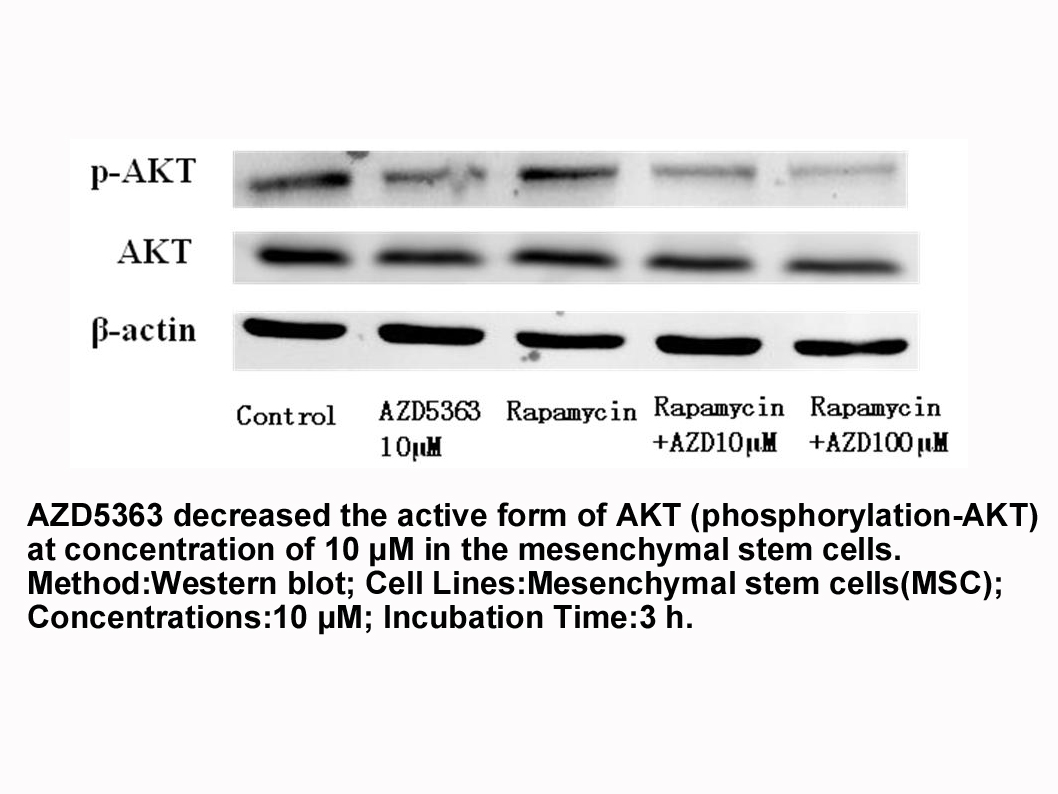
The obtained sequence was deposited in GenBank under accession number MG703576; it showed a 99% identify with sample HE817764, reported as Demodex cornei, and with JF784000, reported as D. canis. Molecular and phylogenetic analyses and the morphological characteristics helped to rule out D. cornei.
-
The study by Pigna and collaborators provides
2022-01-14
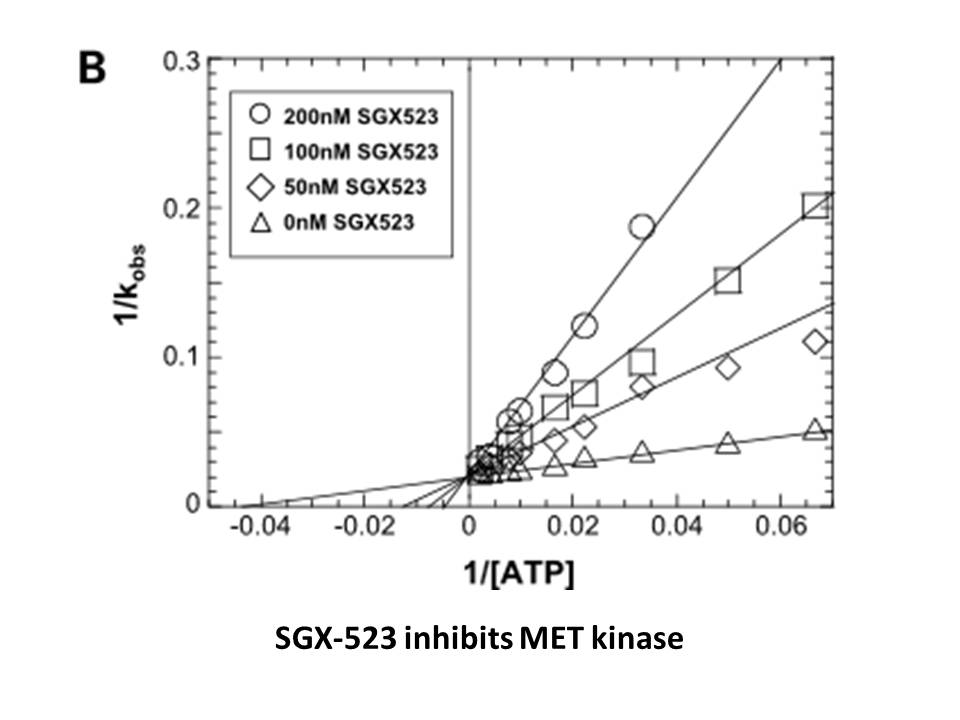
The study by Pigna and collaborators provides an elegant demonstration why class IIa HDAC inhibition may not be suitable to protect the neuromuscular function in ALS, consistent with a recent study that showed only a transient protection of motor performance after treatment of the same ALS model wit
-
Over the last years numerous studies gave insights into
2022-01-14
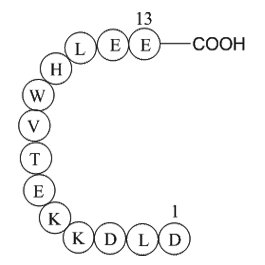
Over the last 15 years, numerous studies gave insights into sGC activation and binding of activators: Photoaffinity labelling studies with cinaciguat suggested the N-terminus of the β1 subunit as target region for this new drug [17]. Schmidt et al. identified the amino acids tyrosine 135, serine 137
-
To investigate the simultaneous effects of possible confound
2022-01-14
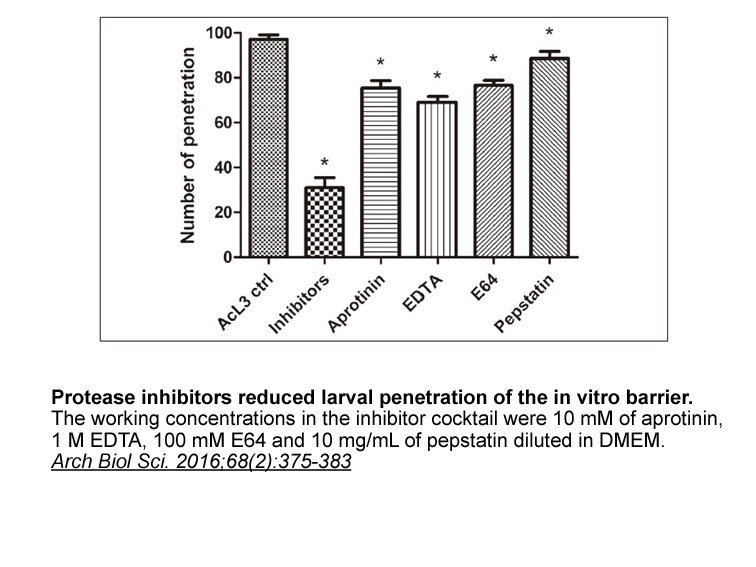
To investigate the simultaneous effects of possible confounding factors in the urinary 1-OHP excretion, multivariate regression analysis was performed (Table 3). Based on stepwise regression analysis, four independent variables (age, CYP1A1⁎4, GSTM1 and GSTP1 polymorphisms) entered into the final mo
-
Despite the rapid development of synthetic ligands the endog
2022-01-14
Despite the rapid development of synthetic ligands, the endogenous ligands of GPR109A, GPR109B and GPR81 remained elusive until recently. This is probably the result of their relatively low potencies and their metabolite character (Table 1). Traditionally, agonists of GPCRs were believed to belong t
-
In the present study we
2022-01-14
In the present study, we conducted a search for other possible endogenous ligands for GPR35. We focused on lysophospholipids because of the homology (30%) between GPR35 and GPR55 whose endogenous ligand is lysophosphatidylinositol (LPI) [9], especially 2-arachidonoyl LPI [10]. Notably, the GPR35 gen
16403 records 530/1094 page Previous Next First page 上5页 526527528529530 下5页 Last page